Last Updated:
July 4, 2026
If you've ever come inside after spending time in your yard and noticed itchy bites or irritated skin, you may have wondered what pest was responsible. Fleas, ticks, and chiggers are all common outdoor pests that can affect people and pets, but they behave very differently and require different control strategies.
Because the symptoms they cause can sometimes look similar, homeowners often mistake one pest for another. Understanding how each pest lives, feeds, and interacts with people can help you identify the source of the problem and take the proper steps to protect your family and pets.
Fleas, ticks, and chiggers are all tiny pests that thrive in outdoor environments. They are frequently found in lawns, wooded areas, landscape beds, and locations where wildlife or pets spend time. While all three can leave behind itchy bites, their appearance, feeding habits, and life cycles differ significantly. Knowing those differences is the key to effective prevention and treatment.

Fleas are small, wingless insects that survive by feeding on the blood of animals. They are best known for infesting dogs and cats, but they can also bite people when populations become large.
One of the easiest ways to identify fleas is by their ability to jump. These pests can move quickly between hosts and often gather in shaded areas where pets frequently rest. Because fleas reproduce rapidly, a small infestation can become a major problem in a relatively short period of time.
Common signs of flea activity include:

Ticks are arachnids, meaning they are more closely related to spiders than insects. Unlike fleas, ticks do not jump or fly. Instead, they wait on vegetation and attach themselves to passing animals or people.
Once attached, a tick feeds slowly and may remain in place for several days if not discovered. This feeding behavior makes ticks particularly concerning because some species can transmit diseases to both humans and pets. Regular inspections after spending time outdoors are important because ticks are often difficult to notice until they have already attached.
Ticks are commonly found in:
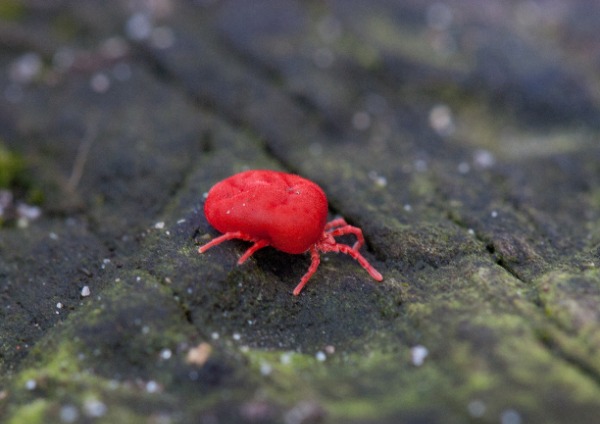
Chiggers are extremely small mites that are nearly impossible to see without magnification. Unlike fleas and ticks, chiggers do not burrow into the skin or feed on blood. Instead, their larvae attach to the skin and feed on skin cells.
The irritation people experience comes from digestive enzymes released by the larvae, which can cause intense itching and red welts. Many people do not realize they have been exposed until several hours after leaving the affected area, when itching begins to develop.
Chiggers are most commonly encountered in:
The appearance of bites often provides clues about which pest is responsible. Flea bites typically appear in small clusters around the feet, ankles, and lower legs. The bites are usually small but can become very itchy.
Tick bites often involve a single attachment site where the tick remains attached to the skin. Some bites may cause mild irritation, while others produce more noticeable redness.
Chigger bites commonly appear in groups around areas where clothing fits tightly, such as around the waist, socks, or waistband. These bites are often associated with intense itching that may persist for several days.
Each pest favors slightly different habitats. Fleas are commonly associated with pets, shaded lawns, crawl spaces, and areas where animals rest. Ticks prefer taller vegetation and locations with abundant wildlife movement. They are frequently found near wooded sections of a property.
Chiggers thrive in humid environments with dense ground cover and unmanaged vegetation. Properties with excessive weeds and tall grass often provide ideal conditions for chigger activity. Understanding where these pests live can make prevention efforts much more effective.
The activity level of fleas, ticks, and chiggers varies throughout the year depending on climate and environmental conditions. Fleas can remain active for extended periods, especially in warm environments and around pets. Ticks are generally most active during warmer months, although some species remain active whenever temperatures stay above freezing.
Chiggers are most problematic during late spring, summer, and early fall when vegetation is dense and weather conditions are favorable. Consistent yard maintenance helps reduce pest pressure throughout the season.
If outdoor pests are becoming a problem, early intervention is important. Waiting too long often allows populations to grow and spread throughout the property.
Helpful steps include:
A well-maintained landscape is less attractive to fleas, ticks, and chiggers. Regular mowing, trimming, and debris removal reduce the moisture and shelter these pests need to survive.
Creating cleaner transitions between wooded areas and lawn spaces can also limit the movement of pests onto the property. Consistent maintenance is one of the most effective long-term strategies for minimizing outdoor pest populations.
While basic maintenance helps reduce pest activity, professional treatments target pest populations more directly. Pest control specialists can identify breeding areas, evaluate environmental conditions, and apply treatments designed for specific pests.
Professional programs often focus on both immediate control and long-term prevention, helping homeowners enjoy their outdoor spaces with fewer concerns about biting pests. This targeted approach typically delivers more reliable results than attempting to manage large infestations without professional assistance.
Q: Which pest is most likely to infest pets?
A: Fleas are the most common pest found on dogs and cats, although pets can also pick up ticks outdoors.
Q: Can ticks transmit diseases?
A: Yes. Certain tick species can carry diseases that affect both people and animals.
Q: Do chiggers burrow under the skin?
A: No. Chiggers feed on skin cells near the surface but do not burrow into the skin.
Q: Why are chigger bites so itchy?
A: The irritation comes from enzymes released during feeding, which trigger an allergic reaction in the skin.
Q: Where are fleas most commonly found outdoors?
A: Fleas are often concentrated in shaded areas where pets, wildlife, or other animals spend time.
Q: What is the best way to prevent these pests around my yard?
A: Regular lawn maintenance, vegetation management, pet protection, and professional pest control treatments can all help reduce flea, tick, and chigger activity.


Omaha's highest-rated lawn care company. Serving the Omaha, NE area for over 10 years.
Your Lawn. Made Easy.