Last Updated:
October 9, 2026
Snow mold is a common lawn disease that can become noticeable in Nebraska after snow melts in late winter or early spring. It develops when grass remains covered by snow or stays wet for extended periods, particularly when cool temperatures and limited air circulation persist.
Nebraska's winters can create favorable conditions for snow mold because lawns may spend weeks under snow before temperatures rise. While snow mold usually causes temporary damage, severe or recurring outbreaks can leave turf thin and discolored as the lawn begins its spring recovery. Learn how to identify and treat snow mold in this post!
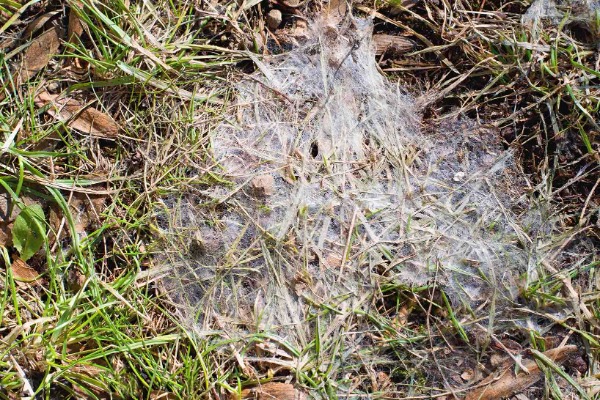
Snow mold typically becomes visible as the snow cover disappears. Instead of appearing as a single isolated weed-like patch, the disease often creates circular or irregular areas of discolored grass.
Two common forms are gray snow mold and pink snow mold. Gray snow mold generally produces grayish or white fungal growth, while pink snow mold can have a pink or salmon-colored appearance.
Snow mold can look worse immediately after snow melts than it actually is. In many cases, healthy grass will begin recovering once conditions become warmer and drier. Signs to watch for after snow melts include:
Snow mold develops when cool, wet conditions persist around the grass for an extended period. Snow itself is not necessarily the direct cause. Instead, prolonged moisture, limited airflow, and cool temperatures create an environment where fungal diseases can develop.
Long-lasting snow cover can trap moisture against the turf. A layer of leaves or excessive grass clippings beneath the snow can make matters worse by creating additional insulation and restricting airflow. The risk of snow mold can increase when lawns have:
Not necessarily. Snow cover alone does not guarantee that snow mold will develop. Many Nebraska lawns spend part of the winter under snow without experiencing significant disease problems.
The biggest concern is prolonged snow cover combined with moisture and cool conditions. A heavy snowfall followed by melting and refreezing can leave the lawn repeatedly wet, while poor drainage may keep the soil and grass damp for even longer.
Snow mold can also vary from one part of the lawn to another. Shaded areas, low spots, and locations where snow piles up may develop more problems than exposed sections of turf.
Once snow has melted, give affected areas time to dry out. Gently raking matted grass can improve air circulation and help remove dead material, but avoid aggressively working wet soil because it can cause compaction or damage the turf.
Most minor snow mold damage will improve as Nebraska weather becomes warmer and drier. If the disease has left significant bare or thin areas, overseeding or other lawn repair may be appropriate after growing conditions become favorable.
Fungicides are not always necessary for minor cases. Preventive treatments may be considered for lawns with a history of severe or recurring snow mold, but product selection and application timing should be based on the specific disease and grass type.
Preparing the lawn before winter is one of the most effective ways to reduce the conditions that contribute to snow mold. Nebraska homeowners should focus on keeping the turf clean, appropriately mowed, and free of excessive organic debris before consistent snow cover arrives.
Leaves should be removed rather than allowed to form a thick layer over the grass. Maintaining an appropriate mowing height through the final cuts of the season can also prevent excessive grass from becoming matted beneath snow.
It is also important to avoid unnecessary nitrogen applications late in the growing season. Excessive late-season growth can leave the lawn with tender foliage going into winter, potentially increasing disease susceptibility. To prepare your lawn for Nebraska winter:
Snow mold prevention starts well before the first snowfall. A dense, properly maintained lawn is generally better equipped to recover from winter conditions than turf that enters dormancy already stressed or covered in debris.
Proper mowing, watering, fertilization, aeration, and thatch management all contribute to healthier turf. Addressing drainage problems can also be important when certain areas remain consistently wet.
No lawn care practice can guarantee that snow mold will never appear, especially during a long Nebraska winter. However, reducing excessive moisture and organic buildup can make conditions less favorable for the disease.
Q: When does snow mold usually appear in Nebraska?
A: Snow mold is usually noticed in late winter or early spring as snow melts. It can develop beneath prolonged snow cover and become visible once the grass is exposed.
Q: Does snow cause snow mold?
A: Snow itself does not cause the disease. Extended periods of cool, wet conditions beneath snow can create an environment where snow mold fungi thrive.
Q: How can I prevent snow mold before winter?
A: Remove leaves and debris, continue mowing until growth stops, avoid excessive late-season nitrogen, and address thatch or drainage problems when necessary.
Q: Will my lawn recover from snow mold?
A: Many lawns recover as temperatures rise and the grass dries out. Severely damaged or thin areas may need additional lawn repair once growing conditions improve.
Q: Should I rake snow mold out of my lawn?
A: Lightly raking matted areas after the lawn has dried can improve airflow and remove dead material. Avoid aggressive raking when the soil is wet because it can damage turf and compact the ground.
Q: Can fertilizer cause snow mold?
A: Excessive late-season nitrogen can encourage tender grass growth before winter and may increase the risk of certain winter lawn diseases. Fertilization should be based on the lawn's needs and seasonal growth pattern.

Omaha's highest-rated lawn care company. Serving the Omaha, NE area for over 10 years.
Your Lawn. Made Easy.