Last Updated:
August 22, 2026
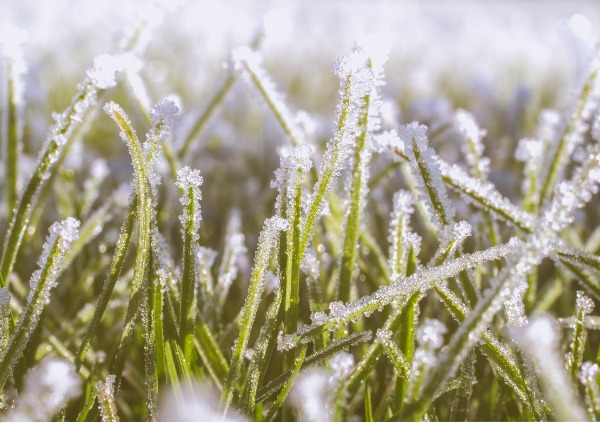
Preparing your lawn for winter is about more than simply mowing it one last time. Nebraska lawns have to transition from hot summer conditions into freezing temperatures, snow, ice, and periods of dormancy. The steps you take during fall can have a major impact on how well your grass handles winter and how quickly it recovers when spring arrives.
Cool-season grasses such as Kentucky bluegrass, tall fescue, and perennial ryegrass can benefit significantly from proper fall maintenance. This is when the lawn has an opportunity to recover from summer stress, strengthen its root system, and store energy before winter dormancy.
Soil compaction can prevent grass roots from getting the air, water, and nutrients they need. This can be especially problematic in high-traffic areas where people, pets, lawn equipment, and other activity have compressed the soil throughout the growing season.
Aeration removes small plugs of soil from the lawn, creating openings that allow water, oxygen, and nutrients to move deeper into the roots. Fall is particularly useful for aeration because cool-season grass can recover quickly under favorable temperatures. Aeration can also create better conditions for overseeding by giving new seed improved contact with the soil.
If your Nebraska lawn has thinning grass or bare patches, fall is often an excellent opportunity to introduce new grass seed. Cooler temperatures and favorable soil conditions can help cool-season grasses establish before winter.
Overseeding works best when seed has adequate contact with the soil and receives consistent moisture during establishment. If you're combining overseeding with aeration, the openings created by core aeration can provide additional locations for seed to settle and germinate. Avoid simply scattering seed over a thick layer of thatch or heavily compacted soil. Preparing the lawn first can significantly improve the chances of successful establishment.
Fall fertilization can play an important role in preparing Nebraska lawns for winter. Cool-season grasses can continue developing their roots during the cooler portions of fall even as above-ground growth begins to slow.
Fall fertilization should be based on the lawn's needs, grass type, soil conditions, and fertilizer being used rather than following a rigid calendar schedule. Avoid applying excessive fertilizer simply because winter is approaching. Too much fertilizer can encourage unnecessary growth, increase the risk of fertilizer burn, and contribute to nutrient runoff. A properly timed fertilizer application can help:
Your final mowing should not leave the grass extremely short. Cutting the lawn too aggressively before winter can expose the crown of the grass to additional environmental stress, while allowing the turf to become excessively tall can create its own problems.
Continue mowing as needed throughout fall and maintain an appropriate mowing height as growth slows. Nebraska weather can change quickly in autumn, so the final mowing date will vary from year to year. Before the lawn enters winter dormancy:
Fall leaves can provide valuable organic material when managed properly, but thick layers left on the lawn can block sunlight and restrict airflow. Wet leaves can become particularly problematic when they remain on the grass for extended periods.
Regularly remove or mulch leaves throughout the fall rather than waiting until every tree has lost its foliage. This helps keep the lawn exposed to light and air while reducing the potential for winter-related turf problems.
Other debris should also be removed before the lawn becomes dormant. Branches, toys, equipment, and other objects left on the grass can create flattened or damaged areas under snow and freezing conditions.
Fall is an important time to address weeds in Nebraska lawns. Some perennial weeds remain active during cooler weather and can continue competing with turf for available water and nutrients.
A strong fall weed control strategy should focus on identifying the weeds present and selecting treatments appropriate for the specific species and conditions. Controlling weeds before winter can leave the lawn with less competition as it enters dormancy and help reduce problems that may become more noticeable when spring growth begins.
Cold weather does not automatically mean your lawn no longer needs water. Nebraska lawns generally require less irrigation during fall than during summer, but grass may still need supplemental moisture when rainfall is insufficient.
Avoid continuing a heavy summer watering schedule when the lawn no longer needs it. At the same time, don't allow the soil to become excessively dry simply because fall has arrived. As temperatures cool and grass growth slows, adjust your irrigation schedule based on:
Once your lawn enters dormancy, the best approach is generally to minimize unnecessary stress. Nebraska winters can bring freezing temperatures, snow, ice, and fluctuating conditions, so avoid activities that unnecessarily damage dormant turf.
Before winter fully settles in, make sure you have completed the most important maintenance tasks:
Q: When should I start preparing my Nebraska lawn for winter?
A: Most winter preparation should take place during the fall while cool-season grass is still actively growing. The exact timing depends on temperatures, rainfall, grass type, and how quickly the lawn begins slowing down for winter.
Q: Should I fertilize my Nebraska lawn before winter?
A: A properly timed fall fertilizer application can benefit many Nebraska cool-season lawns by supporting root development and recovery from summer stress. The appropriate product and timing depend on the lawn's specific needs.
Q: Should I aerate my lawn before winter?
A: Fall is often an excellent time to core aerate Nebraska lawns, particularly when the soil is compacted. Aeration can improve air, water, and nutrient movement while creating favorable conditions for overseeding.
Q: How short should I cut my grass before winter?
A: Avoid cutting the lawn extremely short. Continue mowing as needed during fall and maintain an appropriate height until grass growth slows significantly. The final mowing should prepare the lawn for dormancy without unnecessarily stressing the turf.
Q: Should I leave leaves on my lawn over winter?
A: Thick layers of leaves should generally be removed or mulched before winter. Heavy leaf coverage can block light and airflow and may contribute to turf problems when wet leaves remain on the grass for extended periods.
Q: Does my Nebraska lawn need water in the fall?
A: It can. Although lawns generally need less water as temperatures cool, grass may still require supplemental irrigation when rainfall is insufficient. Adjust watering based on weather and soil moisture rather than continuing a summer schedule.

Omaha's highest-rated lawn care company. Serving the Omaha, NE area for over 10 years.
Your Lawn. Made Easy.