Last Updated:
November 14, 2026
If sections of your lawn suddenly look chewed up, discolored, or completely stripped of grass, armyworms may be responsible. These destructive lawn pests can move through turf surprisingly quickly, leaving noticeable damage in a short amount of time. Unlike some insects and pests that feed below the soil surface, armyworms attack grass blades directly, making their presence especially damaging during periods of heavy activity.
Armyworm infestations can be frustrating for homeowners because damage sometimes appears almost overnight. Knowing what these caterpillar-like pests look like, how they affect grass, and when they're most likely to appear can help you catch an infestation before it gets out of hand.
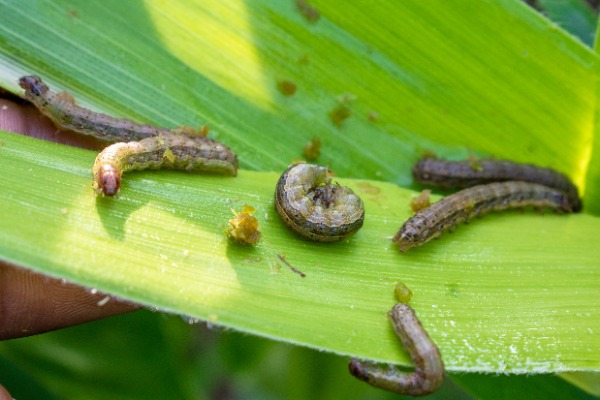
Armyworms are the larval stage of certain moth species. They're named for their tendency to move across grassy areas in large numbers while feeding, sometimes leaving damaged turf behind as they spread.
The fall armyworm is one of the most recognizable species affecting residential lawns. These caterpillars typically have greenish, brown, or gray bodies with lengthwise stripes running along their sides. One distinguishing feature is an inverted Y-shaped marking on the head, which can help separate them from other caterpillars.
Adult moths lay clusters of eggs on vegetation and other surfaces. Once the eggs hatch, the young caterpillars begin feeding on nearby grass. They grow quickly, and their feeding activity becomes more destructive as they mature.
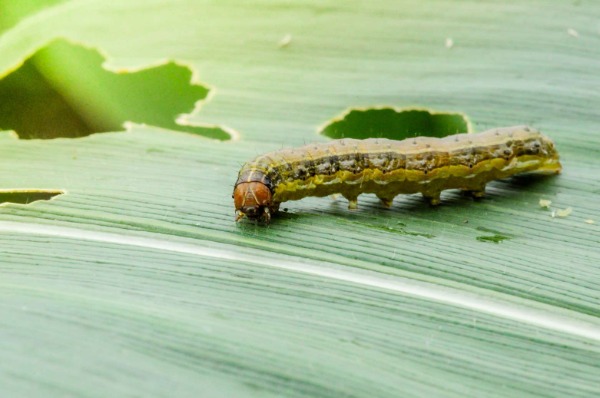
Armyworm damage can be difficult to distinguish from drought stress or other turf problems at first. However, the speed at which symptoms develop is often a major clue.
Early infestations may cause grass blades to look ragged or chewed along the edges. As the caterpillars continue feeding, affected sections can turn brown and resemble areas of dead grass.
Some common warning signs include:
To check for an infestation, separate the grass blades and inspect the lower portions of the turf. You can also mix a small amount of dish soap with water and pour it over an affected area. The irritation may cause armyworms to move toward the surface, making them easier to spot.
The biggest concern with armyworms is how quickly they can consume grass. A large population of caterpillars feeding at the same time can strip significant amounts of foliage from a lawn.
Young caterpillars typically feed on the outer portions of grass blades, while larger larvae can consume much more of the plant. When feeding becomes extensive, grass may lose its ability to maintain healthy growth and begin deteriorating.
Several factors make armyworm infestations particularly challenging:
Armyworm activity is closely tied to warm weather, moth migration, and seasonal conditions. In Nebraska, fall armyworms can become a concern during late summer and early fall, particularly when moths move northward from warmer regions.
Adult moths arrive and lay eggs, often on grasses and other vegetation. Once the larvae emerge, they begin feeding almost immediately. Several generations can develop under favorable conditions, allowing populations to increase throughout the warmer months.
Armyworm outbreaks are not guaranteed every year. Their severity can vary considerably depending on weather patterns and the number of migrating moths.
There isn't a maintenance routine that can completely prevent armyworms from entering your yard. However, regular inspections and good lawn care practices can help you recognize problems sooner and limit the potential damage.
Consider these steps when protecting your turf:
If armyworms are already present, an appropriately selected insecticide may be needed to control the population. Treatment effectiveness depends on the caterpillars' size, the extent of the infestation, and application timing. Always follow product label instructions, including any watering or application restrictions.
Q: What do armyworms look like in grass?
A: Armyworms are caterpillars with elongated bodies that are usually green, brown, or gray. They have several lengthwise stripes, and fall armyworms have a distinctive inverted Y-shaped marking on their heads.
Q: What causes armyworms to infest a lawn?
A: Adult armyworm moths lay eggs on vegetation and other surfaces. Once the eggs hatch, the larvae begin feeding on nearby grass. Warm weather and favorable conditions can contribute to larger populations.
Q: Can armyworms kill an entire lawn?
A: Severe infestations can destroy large sections of turf by stripping away grass blades. While some established grass can recover, extensive feeding may leave areas requiring reseeding or other repairs.
Q: When are armyworms most active in Nebraska?
A: Fall armyworms are often a concern in late summer and early fall. Their activity depends on weather conditions and moth migration patterns, so outbreaks can vary from year to year.
Q: How can I tell if my lawn has armyworms or grubs?
A: Armyworms feed on grass blades above the soil, leaving chewed or ragged foliage. Grubs live underground and damage grass by consuming its roots. Inspecting the affected turf can help distinguish between the two pests.
Q: Will grass grow back after armyworm damage?
A: Many lawns can recover from moderate armyworm damage once the pests are controlled. However, if the caterpillars have destroyed too much of the foliage or damaged the growing points, reseeding or additional lawn repair may be necessary.

Omaha's highest-rated lawn care company. Serving the Omaha, NE area for over 10 years.
Your Lawn. Made Easy.