Last Updated:
November 14, 2026
While drought, disease, and poor soil conditions are common reasons for weak turf, there's another potential culprit hiding just beneath the surface. Lawn grubs can quietly damage grass by feeding on its roots, leaving sections of turf weak, discolored, and eventually unable to survive.
These pests are particularly troublesome because much of the damage happens underground. By the time visible symptoms appear, grubs may have already destroyed a significant portion of the lawn's roots. Come learn how to prevent grubs and keep your lawn healthy!

Lawn grubs are the immature, larval stage of several beetle species. They're commonly called white grubs because of their pale, creamy-colored bodies. Some of the most common varieties found in Nebraska include Japanese beetles, masked chafers, and May or June beetles.
Adult beetles lay eggs in the soil during warmer months. Once those eggs hatch, the larvae begin feeding on organic material and grass roots as they develop. Depending on the species, grubs may spend several months or multiple years underground before reaching adulthood.
Although finding a grub in your soil doesn't automatically mean you have an infestation, large populations can cause considerable turf damage. Their feeding activity is particularly concerning as the larvae grow larger and consume more of the root system.
Identifying lawn grubs requires looking beneath the grass rather than inspecting the blades themselves. These larvae spend most of their time in the soil, where they're difficult to notice without digging.
White grubs have several recognizable physical characteristics:
To check for their presence, use a small shovel to cut into an area of discolored grass. Lift back a section of sod and examine the soil around the roots. Finding a few grubs isn't necessarily cause for concern, but larger numbers in an area with declining turf may indicate a developing infestation.
It's also worth paying attention to adult beetles around outdoor lights during summer. Their presence can provide an early indication that egg-laying activity may occur nearby.
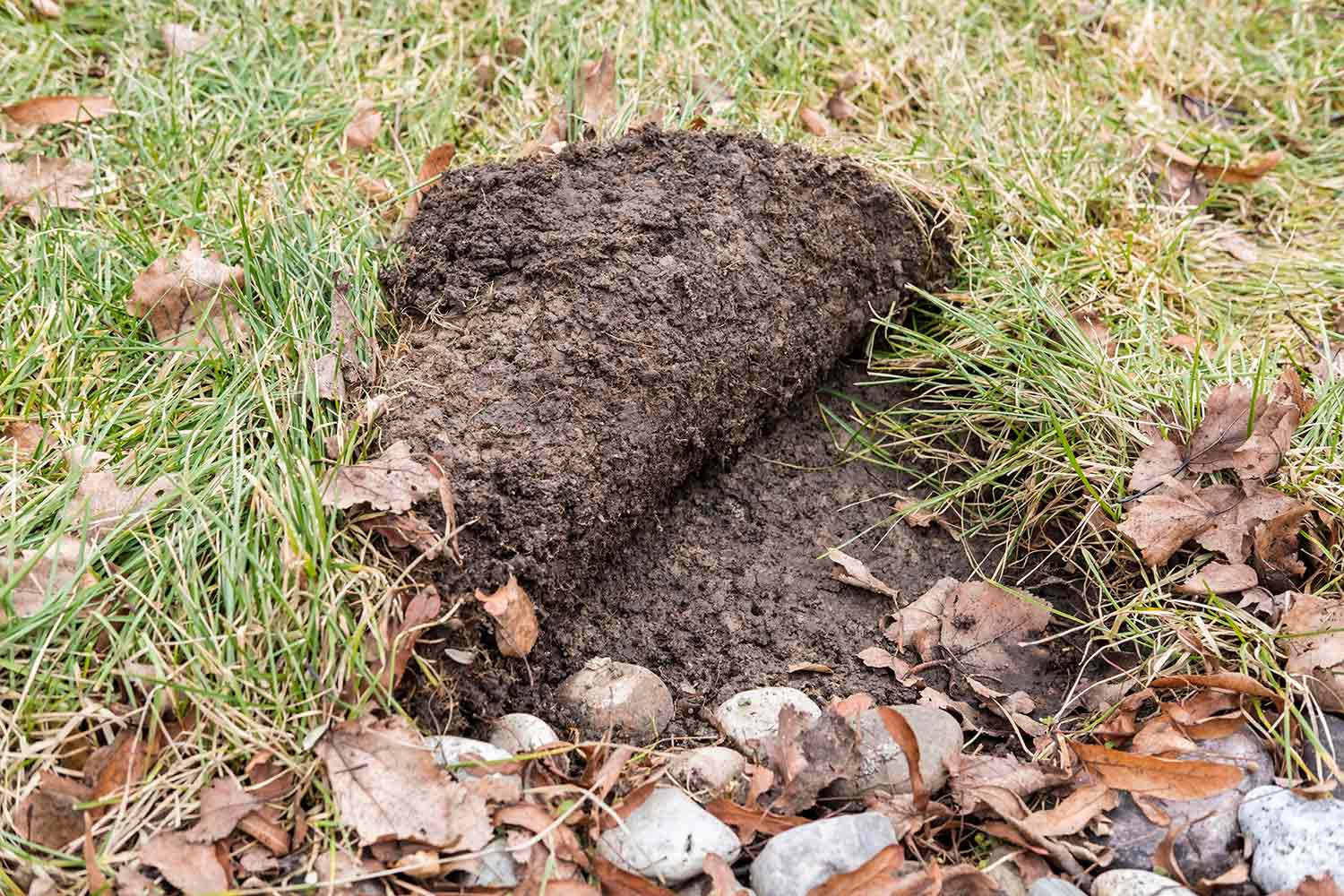
The biggest problem with lawn grubs is their feeding behavior. Rather than eating grass blades, these insects consume roots below the soil surface. As the root system becomes damaged, grass loses its ability to absorb the water and nutrients needed to stay healthy.
Early symptoms can be easy to overlook. You may notice small areas of yellowing grass or patches that appear to be struggling despite regular watering. As root damage progresses, those sections can turn brown and eventually die.
A few common signs of grub damage include:
Grub activity follows a seasonal pattern that depends on the beetle species and local weather conditions. In Nebraska, many of the most common lawn-damaging grubs have a one-year life cycle.
Adult beetles typically become active during the summer, when they mate and lay eggs in the soil. Those eggs hatch into young larvae, which begin feeding on grass roots. As the grubs grow, their appetite increases and the potential for turf damage becomes greater.
Late summer and early fall are often when homeowners notice the most obvious signs of an infestation. By this point, larvae may have grown large enough to cause significant root damage. Wildlife activity can also become more noticeable as animals search for grubs beneath the grass.
During colder months, grubs move deeper into the soil and become less active. They can survive winter underground and resume development when temperatures rise. Understanding this seasonal pattern is important because the most effective time for preventive grub control is generally before extensive feeding damage occurs.
Preventing grub damage starts with paying attention to your lawn's history and identifying areas that may be vulnerable to recurring infestations. Although no maintenance routine can guarantee that beetles won't lay eggs in your yard, a proactive approach can help reduce the risk of serious turf damage.
Here are several ways to approach grub prevention:
Q: What do lawn grubs look like?
A: Lawn grubs are typically creamy white or pale gray larvae with reddish-brown heads, six legs, and soft, segmented bodies. They commonly curl into a C shape when disturbed and can be found in the soil beneath damaged grass.
Q: How do I know if my lawn has a grub infestation?
A: Look for irregular brown patches, thinning grass, and sections of turf that lift easily from the soil. Digging into affected areas and finding numerous grubs around the roots can help confirm the problem.
Q: What causes lawn grubs to appear?
A: Adult beetles lay eggs in the soil during warmer months. When the eggs hatch, the larvae remain underground and feed on organic material and grass roots as they develop.
Q: Can lawn grubs kill grass?
A: Yes. Large grub populations can destroy enough of the root system to prevent grass from absorbing water and nutrients. Severe infestations can kill entire sections of turf and may require reseeding or other lawn repairs.
Q: When should I apply grub control to my lawn?
A: Preventive grub treatments are generally most effective in late June or early summer, when newly hatched larvae are small. If visible damage appears later in summer, the appropriate treatment may be different because the grubs are more mature.
Q: Will my lawn recover from grub damage?
A: It depends on how much of the root system has been damaged. Grass with minor damage may recover with proper maintenance, while heavily damaged or dead sections may need to be reseeded or repaired after the grub population is addressed.


Omaha's highest-rated lawn care company. Serving the Omaha, NE area for over 10 years.
Your Lawn. Made Easy.