Last Updated:
January 31, 2026
Lawn fertilization is one of the most fundamental practices in lawn care because it supports nearly every aspect of grass health. Lawn fertilization allows grass to grow thicker, stronger, and healthier over time by replacing nutrients that naturally disappear from the soil. Without fertilization, even well-watered lawns slowly weaken and become susceptible to damage due to poor access to vital nutrients.
This post will explain how lawn fertilization works and why it plays such a central role in long-term grass health.
Grass is a living plant system that constantly uses nutrients to grow new blades, develop roots, and recover from stress. Every time a lawn is mowed, nutrients stored in the grass blades are removed from the system. Rainfall and irrigation also wash nutrients deeper into the soil or away from the roots entirely. Over time, the soil becomes depleted, even if it originally tested as fertile.
Fertilization replenishes those lost nutrients and restores balance to the soil. Rather than forcing unnatural growth, proper fertilization supports the grass’s natural processes. When nutrients are available in the right amounts, grass can grow at a steady, healthy pace instead of struggling to survive.
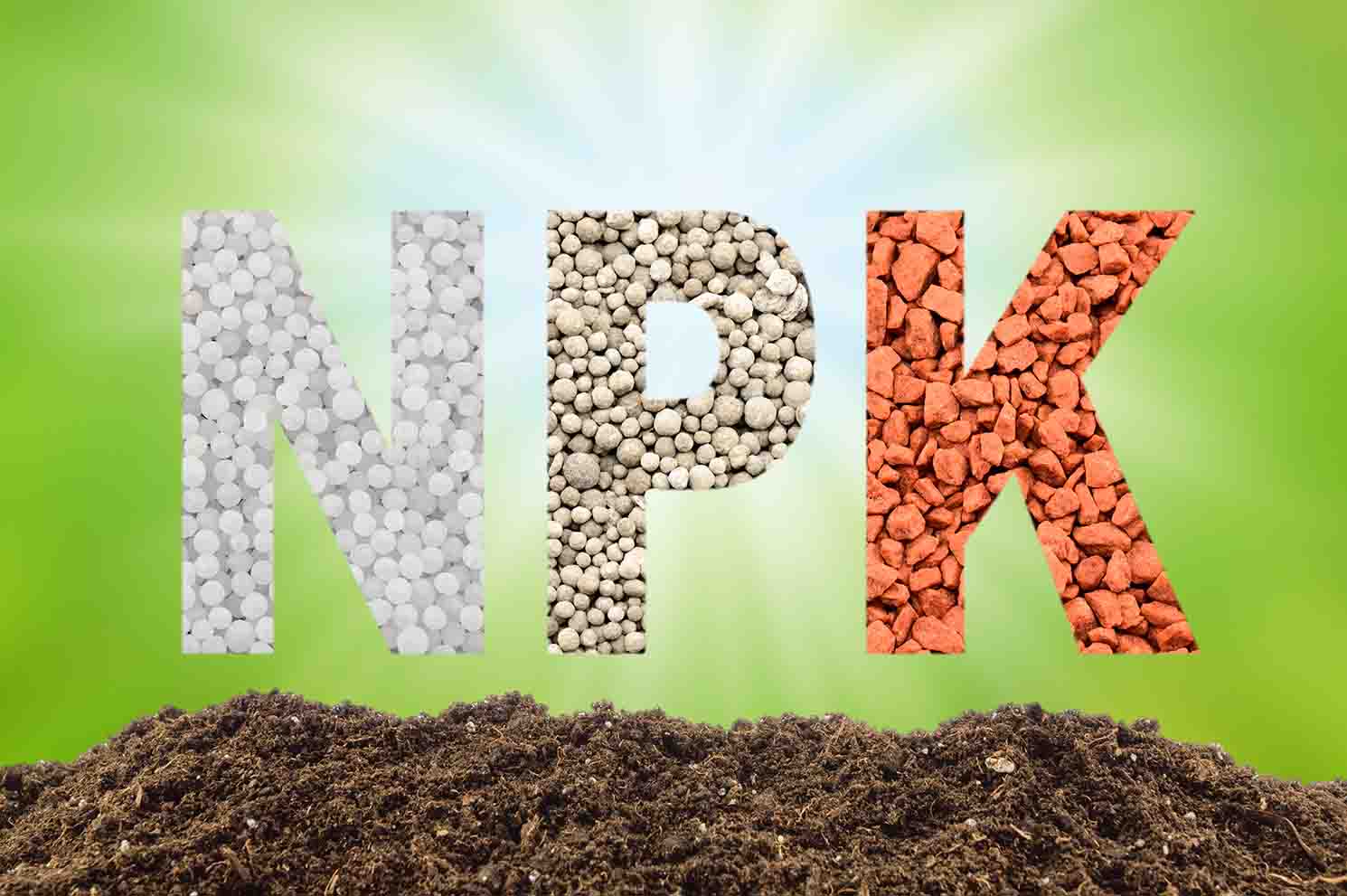
Most lawn fertilizers are built around three primary nutrients: nitrogen, phosphorus, and potassium (known as the NPK ratio). Each one plays a different role in grass health, and together they support balanced growth above and below the surface. Together, these nutrients allow the lawn to grow evenly, maintain color, and build resilience throughout the growing season.
Fertilization works by delivering nutrients directly into the soil where grass roots can absorb them. Once nutrients enter the plant, they are used to produce energy, grow new tissue, and strengthen existing structures. This process happens gradually, which is why fertilization results are not instant but become more noticeable over time.
As grass receives consistent nutrition, it grows thicker and denser. This increased density helps the lawn shade the soil surface, reducing moisture loss and limiting space for weeds to establish. A fertilized lawn also recovers faster from mowing, foot traffic, and environmental stress because it has the resources needed to repair itself.
While fertilization visibly improves the appearance of a lawn, some of its most important benefits happen underground. Nutrients encourage deeper root growth, which allows grass to access water and minerals that shallow roots cannot reach. Deeper roots also anchor the turf more securely, reducing damage from heat, drought, and wear.
Fertilization also supports soil biology. Healthy soil contains beneficial microorganisms that help break down organic matter and convert nutrients into forms plants can use. When grass grows well, it feeds these microbes through root exudates, creating a cycle that improves soil structure and nutrient availability over time.
One of the most overlooked benefits of lawn fertilization is its role in weed prevention. Thick, healthy grass is one of the best defenses against weeds because it leaves little room for weed seeds to germinate and establish roots.
When lawns are under-fertilized, grass thins out, exposing soil to sunlight. This creates ideal conditions for weeds to take hold. Proper fertilization strengthens turf density, allowing the lawn to outcompete weeds for light, water, and nutrients. While fertilization does not kill weeds directly, it reduces their ability to spread and dominate the lawn.
Fertilization works best when it aligns with the grass’s natural growth cycle. Grass types grow most actively during specific times of the year, and fertilizing during these periods allows the lawn to use nutrients efficiently. Applying fertilizer at the wrong time can lead to wasted nutrients or excessive top growth without root support. Proper timing ensures that nutrients strengthen the lawn rather than stress it.
Lawns that go unfertilized often decline slowly, making problems easy to overlook at first. Grass may still grow, but it becomes thinner, lighter in color, and less resilient. Over time, bare spots appear, weeds become more aggressive, and the lawn struggles to recover from heat or drought.
Without adequate nutrition, roots remain shallow, making the lawn dependent on frequent watering. Disease pressure increases because weak grass cannot defend itself effectively. Fertilization helps prevent these issues by maintaining steady, balanced growth.
Be sure to consult with a professional lawn fertilization company near you to determine exactly what type of fertilizer your lawn needs for success in your area.
Q: What does lawn fertilizer actually do to grass?
A: It provides essential nutrients that support growth, color, root development, and stress tolerance.
Q: How long does it take to see results after fertilizing?
A: Most lawns show improvement within one to three weeks, depending on product type and weather.
Q: Can fertilization replace watering?
A: No, fertilizer supports growth, but water is still required for nutrient uptake and plant health.
Q: Is fertilization bad for the environment?
A: When applied correctly and at proper rates, fertilization is safe and beneficial.
Q: How often should a lawn be fertilized?
A: Most lawns benefit from multiple applications per year based on grass type and climate.
Q: Can fertilization help repair damaged lawns?
A: Yes, fertilization supports recovery by strengthening roots and encouraging new growth.


Omaha's highest-rated lawn care company. Serving the Omaha, NE area for over 10 years.
Your Lawn. Made Easy.