Last Updated:
September 19, 2026
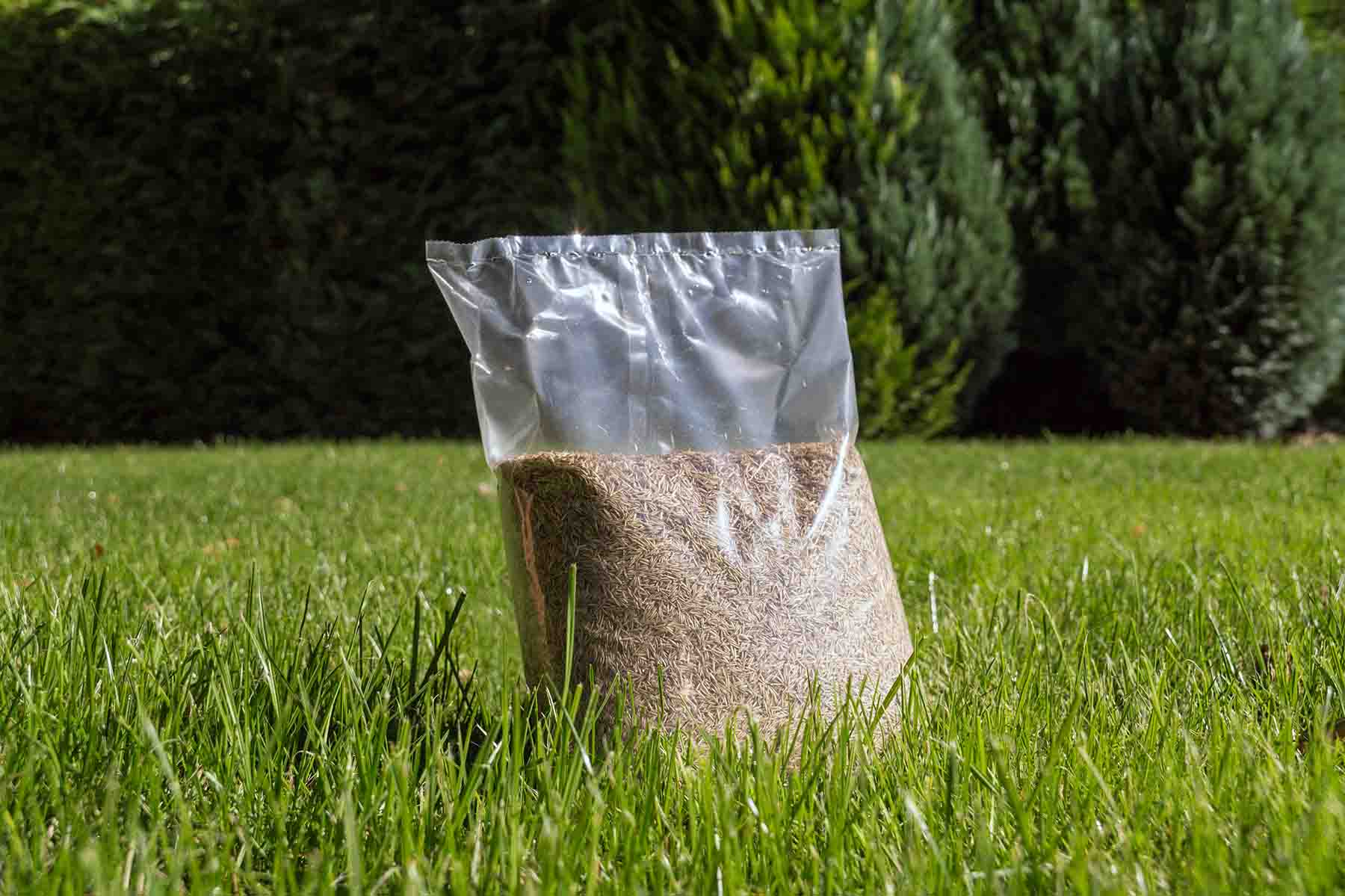
Overseeding your lawn is about more than simply spreading grass seed over thin areas. Nebraska lawns have to deal with hot summers, changing fall temperatures, periods of drought, and freezing winter conditions. Choosing the right time to introduce new seed can have a major impact on how well it germinates, develops roots, and survives its first winter.
Cool-season grasses such as Kentucky bluegrass, tall fescue, and perennial ryegrass generally respond well to fall overseeding. Early fall is often the best time because soil temperatures can remain favorable for germination while cooler air reduces stress on young seedlings and gives new grass time to establish before winter.
Early fall is generally the most favorable time to overseed a Nebraska lawn. The exact timing can vary depending on location and weather, but late August through September often provides suitable conditions for cool-season grass seed.
Grass seed needs adequate moisture and appropriate soil temperatures to germinate. Overseeding too early can expose new seedlings to lingering summer heat, while waiting too long can leave young grass with too little time to establish before winter.
For the best chance of successful overseeding:
If your Nebraska lawn has thinning grass or bare patches, fall is often an excellent opportunity to introduce new seed. Cooler temperatures and favorable soil conditions can help cool-season grasses germinate and develop before winter.
Overseeding works best when seed has good contact with the soil and receives consistent moisture during establishment. If you're combining overseeding with aeration, the openings created by core aeration can provide additional locations for seed to settle and germinate.
Avoid simply scattering seed over dense turf, heavy thatch, or compacted soil. Preparing the lawn first can significantly improve the chances of successful establishment.
Core aeration can play an important role in preparing a Nebraska lawn for overseeding. Compacted soil can limit the movement of water and air while making it harder for new grass roots to develop.
Core aeration removes small plugs of soil from the lawn, creating openings that can improve seed-to-soil contact and allow water, oxygen, and nutrients to move deeper into the root zone.
Fall is particularly useful for aeration because cool-season grass can recover under favorable temperatures. Aerating before overseeding can help create better conditions for new seed to settle and establish. A properly timed aeration can help:
Newly planted grass seed needs reliable moisture to germinate and establish. Nebraska's fall weather can include warm afternoons, windy conditions, and periods of limited rainfall, so newly seeded areas may still require supplemental irrigation.
Avoid allowing the soil surface to dry out repeatedly during germination. At the same time, excessive watering can wash seed away or create saturated conditions that interfere with healthy establishment.
After overseeding, pay attention to:
The type of grass seed you use can influence how quickly it germinates and how well it performs after establishment. Nebraska lawns commonly contain cool-season grasses that grow most actively during spring and fall.
Choose seed that is compatible with the existing turf and suited to the amount of sunlight, soil conditions, and moisture available in the area. Using the wrong grass type can result in an inconsistent lawn or poor long-term performance.
Kentucky bluegrass, tall fescue, fine fescues, and perennial ryegrass are among the cool-season options that may be used for Nebraska lawns. The appropriate choice depends on the conditions of the individual property.
Although fall provides the best general window for overseeding cool-season lawns, there is a point when temperatures become too cold for reliable establishment. Seed planted too late may germinate slowly or fail to develop enough growth before winter dormancy.
Nebraska weather can change quickly during autumn, so the ideal overseeding date isn't identical every year. Pay attention to the remaining growing season rather than relying entirely on a specific date.
Completing overseeding while conditions are still favorable can give new grass more time to:
Spring can also provide an opportunity to overseed a Nebraska lawn, particularly when fall seeding wasn't possible or winter damage has left thin areas. However, spring generally presents more challenges for cool-season grass establishment.
New seedlings planted in spring have less time to mature before Nebraska's summer heat arrives. Rising temperatures, increasing evaporation, and competition from weeds can make spring overseeding more demanding.
Overseeding doesn't end when the seed is spread. New seedlings require appropriate watering, mowing, and protection while they develop. Heavy traffic or poor moisture management can interfere with establishment.
Avoid treating newly seeded areas exactly like mature turf. Give young grass enough time to develop before exposing it to unnecessary stress.
Q: When is the best time to overseed a Nebraska lawn?
A: Early fall is generally the best time to overseed a Nebraska lawn with cool-season grass. Warm soil and cooler air can provide favorable conditions for germination and establishment before winter.
Q: Can I overseed my Nebraska lawn in the spring?
A: Yes. Spring overseeding can work when fall wasn't an option, but new grass has less time to establish before summer heat and may require more careful watering.
Q: Is September a good month to overseed in Nebraska?
A: September can provide favorable overseeding conditions in many parts of Nebraska. The ideal timing depends on temperatures, soil conditions, rainfall, and the grass variety being planted.
Q: Should I aerate before overseeding my Nebraska lawn?
A: Core aeration can improve seed-to-soil contact and relieve compaction. It is often paired with fall overseeding to create better conditions for new grass.
Q: How often should I water after overseeding?
A: Keep the seedbed consistently moist during germination. The exact watering schedule depends on rainfall, temperatures, soil conditions, and the grass being planted.
Q: Can I overseed a lawn during the summer?
A: Summer is generally not the preferred time to overseed cool-season grass in Nebraska. Heat, drought, rapid moisture loss, and increased stress can make establishment more difficult.


Omaha's highest-rated lawn care company. Serving the Omaha, NE area for over 10 years.
Your Lawn. Made Easy.