Last Updated:
October 9, 2026
When summer ends, it is easy to assume that tick problems end with it. But in Nebraska, fall can still bring plenty of opportunities for tick bites. The Nebraska Department of Health and Human Services considers ticks active from April through October, and some species can remain active beyond that window when temperatures are warm enough.
Fall can actually create several conditions that make tick encounters more likely. People spend time outside hunting, hiking, walking trails, working in their yards, and enjoying the cooler temperatures. At the same time, ticks can remain active in grass, brush, wooded areas, and leaf litter. Keep reading to learn how to stay protected against ticks this fall.
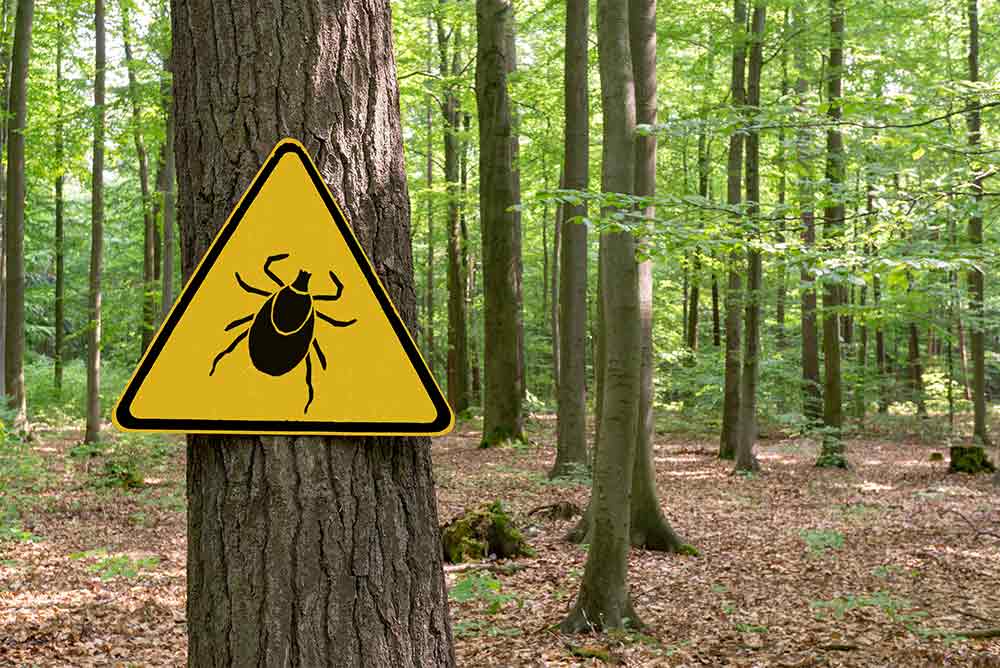
Ticks do not need a deep forest to become a problem. They can live in many of the areas people encounter around Nebraska homes and recreational spaces. Ticks typically wait on vegetation with their legs extended, then attach when a person or animal brushes against them. They do not jump or drop from trees onto people.
Keeping vegetation managed around frequently used areas can therefore be an important part of reducing potential tick habitat. Common places to watch include:
Nebraska's fall weather makes it tempting to spend more time outdoors. Hunting, hiking, camping, yard work, and walking through natural areas can all put people into places where ticks are waiting.
Fall landscaping work can also increase exposure. Clearing leaves, cutting back vegetation, walking through tall grass, or working around brush can bring you into close contact with tick habitat.
Pets can encounter ticks during the same activities. A dog may pick up a tick in the yard or on a trail and bring it inside, creating another opportunity for a tick to reach a person.

Not every tick species follows the exact same seasonal pattern. Nebraska has several medically important tick species, including the American dog tick, lone star tick, and blacklegged tick.
The blacklegged tick, also called the deer tick, is particularly important to watch in fall because adults can be active during this time. Spring, summer, and fall are periods when the risk of blacklegged tick bites exists, with adults potentially becoming active whenever winter temperatures rise above freezing.
Maintaining the lawn and landscape can make outdoor areas less inviting to ticks, particularly by reducing overgrown vegetation where people and pets regularly spend time.
However, landscape maintenance cannot eliminate ticks entirely. Wildlife can move through properties, and ticks can travel with pets and other hosts. Think of lawn care as one part of a broader tick prevention strategy rather than a replacement for personal protection. Regular landscape maintenance can help by:
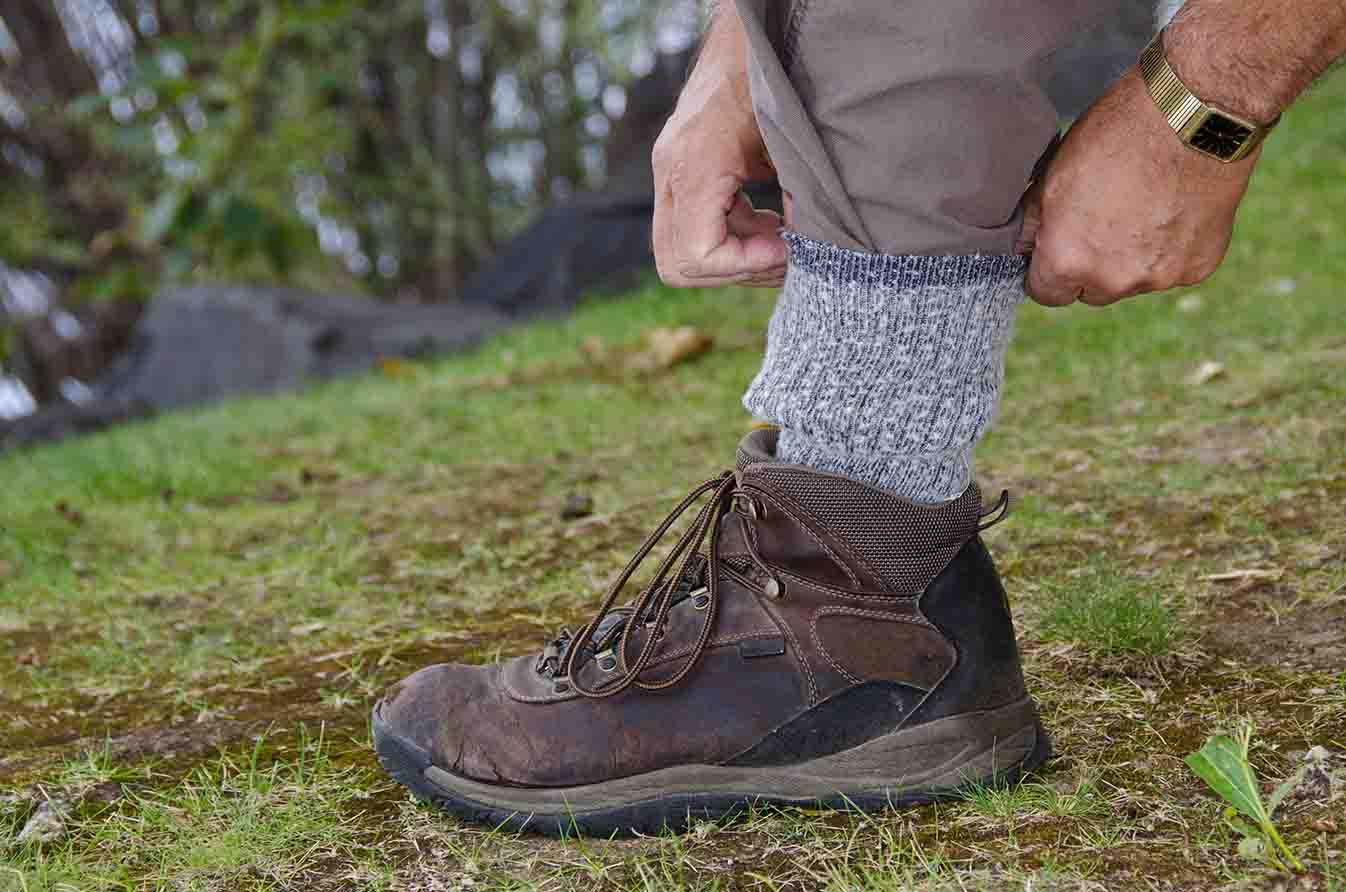
One of the simplest fall precautions is also one of the easiest to forget. After spending time outside, check yourself and your family members for ticks. Pay particular attention to areas where ticks may be difficult to notice, including around the ears, hairline, waist, armpits, behind the knees, and between the legs.
If you find an attached tick, remove it promptly. Frequent checks give you a better chance of finding and removing ticks before they have remained attached for an extended period.
You do not have to eliminate every tree, flower bed, or natural area from your property to make it less favorable to ticks. Instead, focus on the spaces where your family and pets spend the most time. Keep frequently used lawn areas maintained, trim back vegetation that touches walkways, and avoid allowing tall grass and dense growth to take over around play areas and outdoor living spaces.
It can also help to keep leaf litter and brush under control, particularly along the edges of lawns and other high-use areas. Combined with personal precautions, these steps can reduce opportunities for ticks to come into contact with people and pets.
Finding a tick does not automatically mean you will become sick. However, it is worth taking the bite seriously. Remove an attached tick promptly and monitor yourself for symptoms. Contact a healthcare provider if you develop symptoms such as fever or a rash after being in an area where ticks may have been present.
Ticks in Nebraska can carry pathogens associated with illnesses including Lyme disease, ehrlichiosis, Rocky Mountain spotted fever, and tularemia. If you are unsure about a tick you found, keeping it for identification may also be helpful.
Q: Are ticks still active in Nebraska during fall?
A: Yes. Ticks can remain active throughout much of the fall, especially during mild weather. Activity generally decreases as temperatures drop, but fall should not be considered a tick-free season.
Q: Can ticks live in Nebraska lawns?
A: Yes. Ticks can be found around grassy areas, brush, leaf litter, wooded edges, and other vegetation. Keeping frequently used lawn areas maintained can help reduce potential tick habitat.
Q: Are deer ticks found in Nebraska?
A: Yes. Blacklegged ticks, commonly called deer ticks, are found in Nebraska and can remain active during fall. They are one of several tick species found in the state.
Q: Can pets bring ticks into the house?
A: Yes. Dogs and other pets can pick up ticks while walking through grass, brush, and wooded areas. Checking pets after outdoor activities can help prevent ticks from being carried indoors.
Q: What should I do if I find a tick on myself?
A: Remove the tick promptly and monitor yourself for symptoms afterward. If you develop symptoms such as a fever or rash following a tick bite, contact a healthcare provider and mention the tick exposure.
Q: How can I reduce ticks around my Nebraska property?
A: Keep grass maintained, trim overgrown vegetation, manage brush and leaf litter, and create a clear separation between lawn areas and dense vegetation. Regular tick checks and personal protection can also help reduce exposure.


Omaha's highest-rated lawn care company. Serving the Omaha, NE area for over 10 years.
Your Lawn. Made Easy.