Last Updated:
June 18, 2026
Most homeowners apply fertilizer expecting a deeper green lawn and stronger growth. That's why it can be alarming to notice yellow grass developing shortly after a treatment. While it may seem like the fertilizer damaged your lawn, yellowing is often a sign that the turf is responding to stress, environmental conditions, or an application issue rather than a complete lack of nutrients.
Fortunately, yellow grass after fertilization is usually a problem that can be identified and corrected. Understanding the potential causes can help you restore your lawn's color and avoid similar issues with future applications.
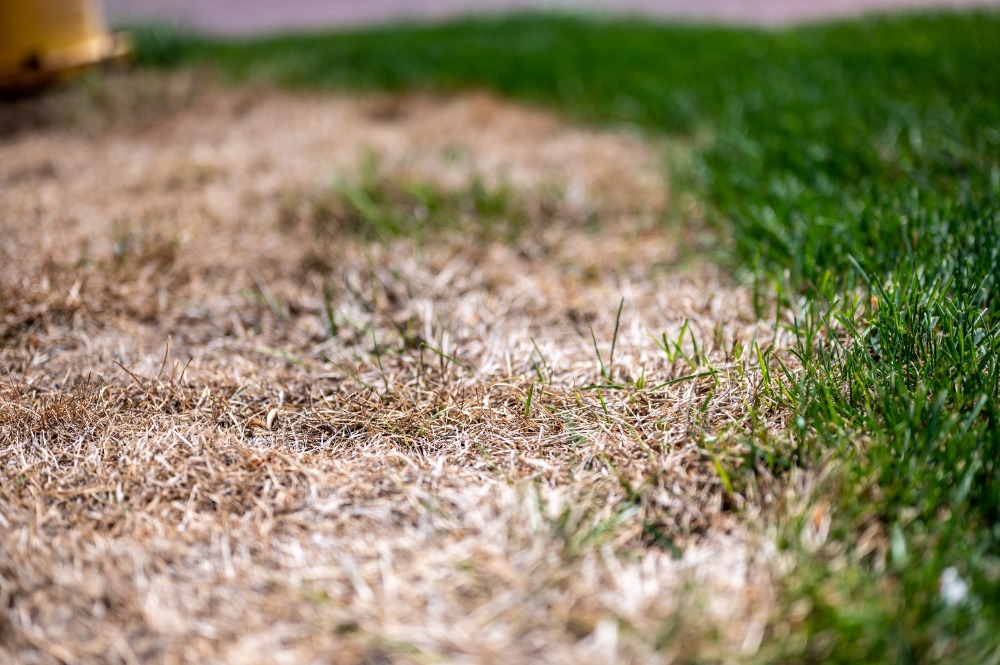
When turf begins turning yellow after receiving fertilizer, it is often reacting to a sudden change in its growing environment. Fertilizers introduce concentrated nutrients into the soil, and grass plants must be able to absorb and utilize those nutrients effectively. If the lawn is already stressed or growing conditions are unfavorable, yellowing can occur instead of the expected green-up.
In some situations, nutrients are present in the soil but cannot be taken up efficiently by the roots. Soil compaction, poor drainage, or inadequate moisture levels can interfere with nutrient absorption and lead to discoloration even when the fertilizer itself is not the problem.
Fertilizer burn is one of the leading reasons a lawn develops yellow patches after treatment. This condition typically occurs when too much fertilizer is applied or when application coverage is uneven. Excess fertilizer salts pull moisture away from the grass, causing dehydration and visible stress.
The symptoms often appear as stripes, irregular patches, or concentrated areas that follow the path of a spreader. Minor cases may improve with thorough watering and favorable weather conditions. More severe damage can progress from yellowing to brown, dead turf if corrective action is not taken promptly.
Nitrogen is essential for healthy turf growth, but excessive amounts can create problems. When grass receives more nitrogen than it can process, top growth may accelerate faster than the root system can support. This imbalance can leave the lawn looking pale or yellow rather than lush and green.
Unlike fertilizer burn, this type of discoloration is often widespread and uniform across the lawn. It frequently occurs when high-nitrogen products are applied during periods of heat, drought, or other environmental stress.
Proper watering is one of the most important factors in a successful fertilizer treatment. If fertilizer is not watered in when required, granules can remain on grass blades and cause scorching. This often results in yellow tips or localized discoloration.
Too much water can create problems as well. Heavy irrigation immediately after application may move nutrients below the root zone, reducing their effectiveness. Uneven watering patterns can also cause inconsistent color throughout the lawn, leaving some areas green while others struggle.
Even a properly applied fertilizer can contribute to yellowing if the lawn is already dealing with extreme weather conditions. Grass experiencing drought stress or prolonged heat has limited energy reserves and may struggle to process additional nutrients.
During these periods, turfgrass shifts its focus from active growth to survival. As a result, fertilizer may temporarily increase stress levels and cause yellowing until environmental conditions improve.
In some cases, fertilizer simply exposes existing soil-related issues. Compacted soils restrict root development and reduce the flow of oxygen, water, and nutrients through the root zone. Likewise, poorly drained soils can create unhealthy growing conditions that weaken grass over time.
When fertilizer stimulates growth, these underlying limitations become more noticeable. The lawn may not have the root strength necessary to support increased nutrient demand, resulting in yellow or faded turf.
Not every case of post-fertilization yellowing leads to permanent damage. Many lawns begin regaining their color within several days to a couple of weeks once conditions stabilize and roots resume normal nutrient uptake.
Recovery time varies depending on the severity of the stress. Slight discoloration often fades quickly with proper maintenance, while more significant damage may require additional soil improvements or cultural adjustments before the lawn fully rebounds.
If your lawn starts turning yellow after a fertilizer application, resist the urge to add more nutrients. Additional fertilizer frequently compounds the problem and places even more stress on the turf.
Instead, focus on creating favorable growing conditions by:
Timing plays a major role in how effectively a lawn responds to fertilizer. Applications made during periods of active growth allow turfgrass to absorb and utilize nutrients more efficiently.
When fertilizer is applied during the appropriate season, grass is better equipped to handle nutrient uptake without experiencing shock or discoloration. Proper timing encourages steady, sustainable growth and helps maintain consistent color throughout the lawn.
Professional lawn care providers take several factors into account before applying fertilizer, including grass species, seasonal growth patterns, soil conditions, and current weather trends. This approach helps reduce the likelihood of overapplication and other common mistakes.
By using the correct products at carefully measured rates, professionals can promote healthy growth while minimizing the risk of yellowing, fertilizer burn, and other nutrient-related issues. The result is a more predictable improvement in lawn color and overall turf health.
Q: Does yellow grass always mean fertilizer burn occurred?
A: No. Yellowing can result from several factors, including environmental stress, watering issues, soil conditions, or excessive nitrogen levels.
Q: Can a lawn recover after turning yellow from fertilizer?
A: In many cases, yes. Mild discoloration often improves with proper care and favorable growing conditions.
Q: Is adding more fertilizer a good solution?
A: No. Applying additional fertilizer can increase stress and worsen existing damage.
Q: How important is watering after fertilization?
A: Proper watering is critical because it helps move nutrients into the soil and supports healthy root function.
Q: What is the best way to avoid yellowing after fertilizing?
A: Follow recommended application rates, water appropriately, and avoid fertilizing lawns that are already stressed by heat or drought.
Q: Are some fertilizers more likely to cause yellowing than others?
A: Yes. Fast-acting fertilizers generally carry a higher risk of causing discoloration if they are applied incorrectly or under unfavorable conditions.


Omaha's highest-rated lawn care company. Serving the Omaha, NE area for over 10 years.
Your Lawn. Made Easy.