Last Updated:
September 19, 2026
Raking leaves is one of those fall chores that can be easy to put off. As leaves continue to fall, however, they can quickly build into a thick layer across the lawn. Leaving that debris in place for too long can prevent grass from receiving the sunlight and air it needs while creating additional moisture around the turf.
Regular leaf removal is an important part of fall lawn care because it helps protect the grass, keeps the soil surface exposed, and reduces the amount of debris left on the property before winter. A little maintenance throughout the season can also make it easier to keep the lawn healthy when spring arrives.
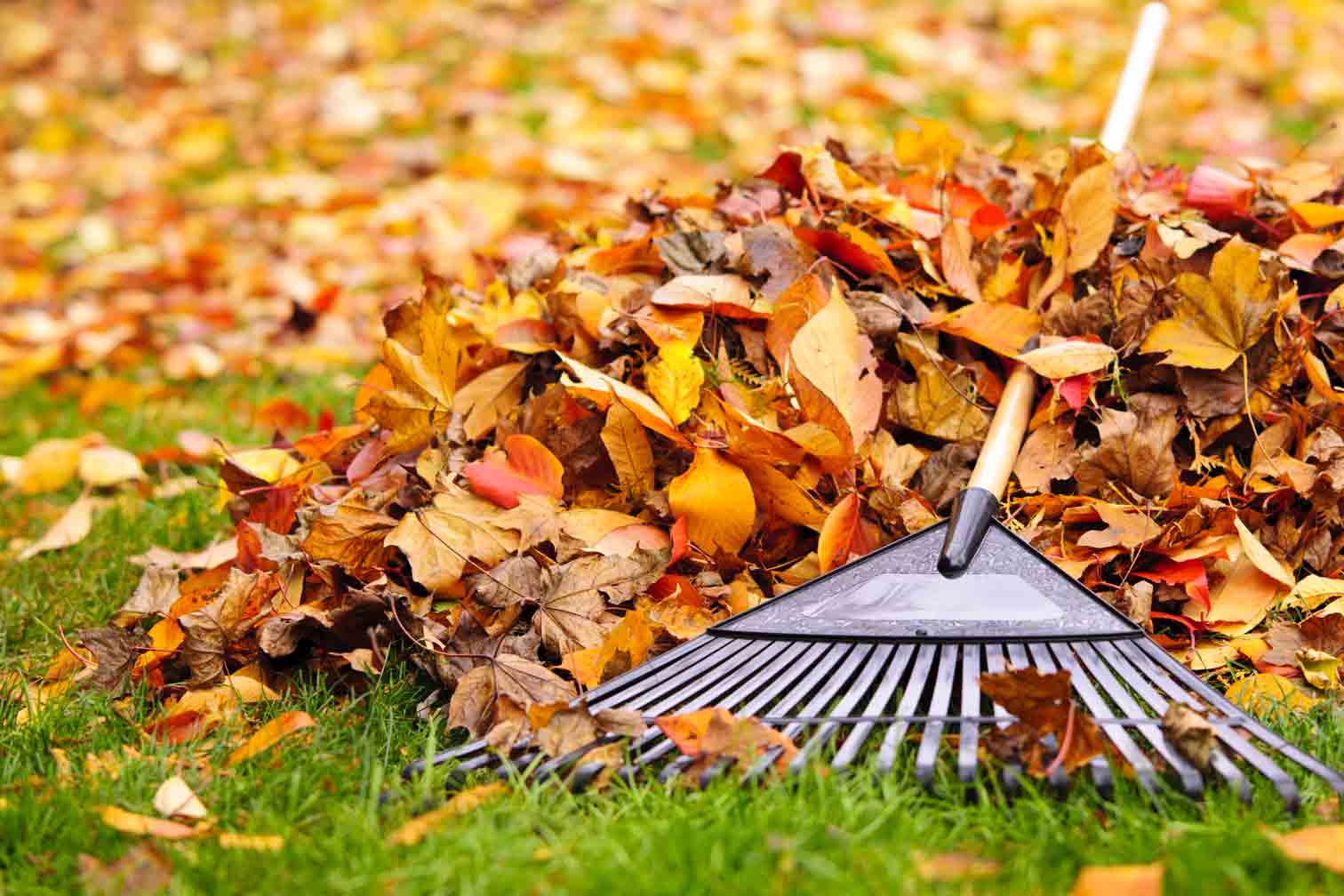
A few scattered leaves usually aren't a major concern, but a heavy layer can create problems. When leaves overlap and become packed together, they can prevent sunlight from reaching the grass underneath.
Wet leaves can become particularly troublesome because they tend to stick together and form a dense covering over the turf. As this material sits on the lawn, it can restrict airflow and keep the grass damp for extended periods. Regular raking helps:
Leaves become heavier and more difficult to manage after rain or snow. When wet debris remains on the lawn, it can create a consistently damp environment around the grass and may contribute to conditions that favor certain lawn diseases.
This is one reason it's better to remove leaves periodically rather than allowing them to remain until the end of the season. Regular cleanup prevents debris from becoming compacted and gives the lawn better exposure to air and light. A lawn with less leaf buildup can also be easier to inspect for problems such as:
Fall maintenance is about more than keeping the property looking tidy. Removing leaves before winter can help put the lawn in better condition as it enters dormancy.
A thick layer of leaves left beneath snow can remain pressed against the turf for weeks. Removing excessive debris gives the grass a cleaner surface going into the colder months. Fall cleanup can also include:
Leaves don't only accumulate on lawns. Wind can push them into planting beds, around tree trunks, beneath shrubs, and against structures throughout the property.
Some leaves in garden beds can provide organic material as they decompose, but excessive accumulation can become difficult to manage. Heavy debris can also cover smaller plants and make it harder to inspect the condition of shrubs, trees, and other landscaping. Regularly removing excess leaves can help keep:
Waiting until every tree has dropped its leaves can turn fall cleanup into a much larger job. Leaves may accumulate faster than you can remove them, particularly when a property has mature trees.
Instead of allowing several weeks of debris to pile up, regular raking breaks the work into smaller tasks. This can make cleanup easier and reduce the amount of material that needs to be handled at one time. For larger properties, leaf removal may involve:
Raking isn't always the only way to manage fallen leaves. When leaf coverage is light, mowing over the leaves and breaking them into smaller pieces can allow the material to return nutrients to the soil.
However, this approach has limits. Large amounts of leaves should not simply be left sitting on the lawn after repeated mowing. Excessive debris can still block sunlight and airflow even after it has been partially shredded.
Whether leaves should be mulched or removed depends on the amount of coverage and the condition of the lawn. The important thing is to avoid allowing a heavy layer of whole or partially decomposed leaves to remain on the turf.
Leaf removal doesn't necessarily need to happen just once. Trees often shed their leaves over an extended period, meaning a lawn can become covered again shortly after it has been cleaned.
Scheduling cleanup throughout the fall can help prevent heavy accumulation and make each cleanup faster. It also reduces the amount of wet, compacted debris sitting on the turf as temperatures continue to fall. Rather than waiting for a single major cleanup, consider:
Large properties or yards with numerous mature trees can produce an overwhelming amount of debris. Raking everything by hand, gathering the leaves, and figuring out how to dispose of them can turn a simple fall chore into a substantial project.
Professional crews can use leaf blowers, collection equipment, and other tools to handle larger quantities of debris efficiently. They can also clean areas that homeowners may overlook, such as fence lines, planting beds, corners, and spaces beneath shrubs. Professional leaf cleanup can be useful for homeowners who:
Q: Why is raking leaves important for lawn care?
A: Removing excessive leaves allows more sunlight and air to reach the grass while preventing thick, wet layers of debris from remaining on the turf.
Q: Can leaves damage grass if they are left on the lawn?
A: Thick layers can restrict sunlight and airflow and keep the grass surface damp. Removing excessive leaves helps reduce these potential problems.
Q: Should I rake leaves every week?
A: Not necessarily. The ideal frequency depends on how quickly leaves accumulate. Properties with many trees may require several cleanups throughout the fall.
Q: Can I mow leaves instead of raking them?
A: Light leaf coverage can often be mulched with a mower. If leaves become too thick, removing them is generally preferable to leaving a heavy layer on the lawn.
Q: Should leaves be removed before winter?
A: Excessive leaves should generally be removed or mulched before winter. A thick layer can remain against dormant grass under snow and freezing conditions.
Q: Do I need to rake leaves from flower beds?
A: Some leaf material can be useful in planting beds, but excessive buildup should be removed. Heavy layers can cover plants and make landscaping areas more difficult to maintain.


Omaha's highest-rated lawn care company. Serving the Omaha, NE area for over 10 years.
Your Lawn. Made Easy.